ARISING HEALTHALIVE. AWAKE. AWARE.Read the magazines →
← All magazines

THE ARISING / Everyday health

Brain health & cognition

The Quiet Work Behind a Thought

A Living Magazine · updated as evidence is reviewed

Living update ·

48 New Alzheimer’s Genetic Clues: What the Brain’s Immune Cells Tell Us

A large genetic study has given researchers more places to look for the origins of Alzheimer’s disease. The strongest cell-type signal was in microglia, the brain’s resident immune cells. These cells can engulf debris and respond to injury, but the study did not show that making them more active would help patients.

48 new regions, not 48 disease-causing genes

The researchers compared genetic data from about 109,000 people classified as having Alzheimer’s and 2.13 million controls, plus separate groups classified using family history. They found 118 associated regions in their combined analysis and nine more in analyses of specific ancestry groups. Of the 127 regions, 48 had not previously been linked to Alzheimer’s. A region can contain several genes; finding the association is the beginning of identifying which gene, if any, drives it.

What came together

  • Microglia and neurons. Alzheimer’s risk signals clustered around genes that were more active in microglia and less active in several groups of neurons in people with Alzheimer’s. Microglia held up after further statistical adjustment; the evidence for specific neuronal groups weakened. The analysis did not establish a single disease-causing microglial state.
  • Immune response, fats and amyloid. The associations reinforced earlier links to immune activity, lipid handling, amyloid breakdown and cell adhesion. Other signals pointed to oxidative stress and the way synapses take material back into cells. Several new regions still did not map to the pathways the authors could identify.
  • From genes to experiments. The team highlighted candidates such as SYK and AXL, which are involved in how microglia engulf material, and raised hypotheses about other brain support cells, including astrocytes and the cells that insulate nerve fibers. Drug–gene matches are leads for experiments, not evidence that a drug prevents or treats Alzheimer’s.
  • Beyond APOE. Combining many variants improved prediction in the study’s held-out samples. The effective sample was still predominantly of European ancestry, and some classifications relied on reported parental disease rather than a participant’s diagnosis. The result is not a validated stand-alone screening test or a personal forecast.

The distinction worth keeping: the study helps identify where to look. It does not show which direction to push the immune system, or whether doing so would preserve memory.

Read the original Nature study: Uffelmann and colleagues, October 28, 2026 · Read The Future of Memory · Explore Genomics

Living update ·

Smoking, quitting and dementia risk

The Alzheimer’s genetics study tells us where researchers are looking for disease mechanisms. A separate review asked what dementia risk looks like in people who smoke now, used to smoke, or never smoked.

The review included 61 prospective cohort studies. In the 39 studies that compared current with never smokers for all-cause dementia, current smokers had a 31% higher relative risk (95% confidence interval: 23% to 39% higher). Former smokers had lower observed risk than current smokers. The pooled comparison with never smokers found no clear difference: the estimate was 4% higher, with a range from 2% lower to 9% higher.

That is encouraging, but it does not tell us how fast an individual’s risk changes after quitting or prove that it returns to the level of someone who never smoked. These studies observed people over time; they did not randomly assign them to quit or keep smoking.

Read the review and its results: Siervo and colleagues, eClinicalMedicine

All editions

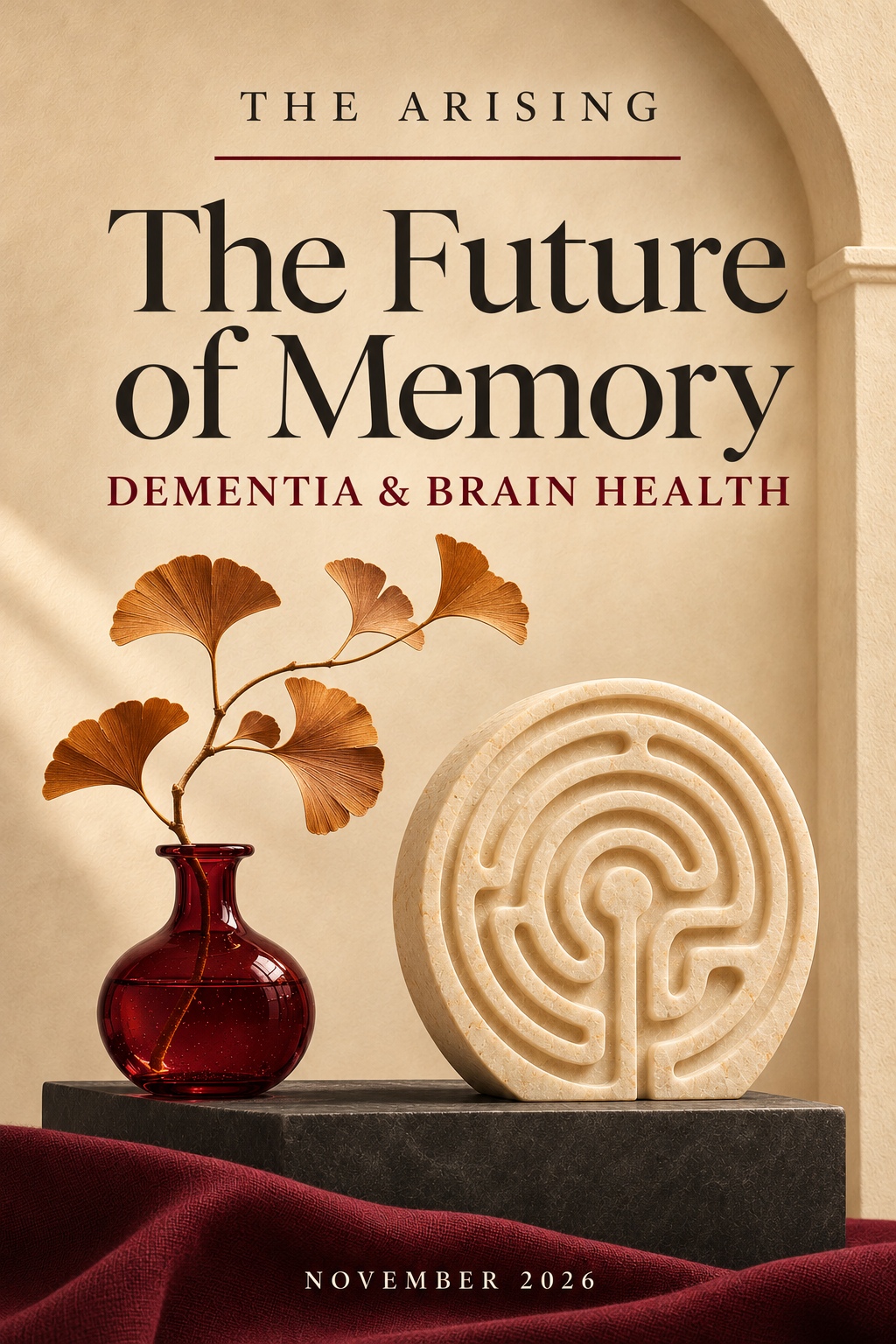
  1. November 2026: The Future of Memory

Connected reading

  1. Shingles Vaccination and Dementia: An Encouraging Link, Not Proven Prevention
  2. Training the Body and Mind Together Improved Some Cognitive Test Scores in Older Adults
  3. Creatine and cognition: a signal in a small trial
  4. The dementia-care gap begins before the nursing-home door
  5. A protective device that has not shown it protects patients routinely
  6. A Parkinson’s experiment suggests another way to protect vulnerable neurons
  7. A brief conversation before surgery may reveal who needs more protection afterward
  8. Thirty sham-controlled trials challenge claims about brain stimulation and cognition
  9. After stroke, fifty hours of intensive practice changed how people used a weakened arm
  10. A 14-minute digital assessment recognizes mild cognitive impairment—but what happens after the score?
  11. The cells guarding the brain’s blood vessels have their own conversation
  12. The aging brain may be responding to a damaged building block of life
  13. Dopamine is essential for movement. Giving more has not restored movement after stroke.
  14. Probiotic Lowered Alzheimer's Blood Marker in Six-Month Placebo-Controlled Trial
  15. Nurse-Led Coaching Trial Trimmed Dementia Risk Scores, but Not Cognition
  16. First Parkinson's Patient Dosed With Drug Designed to Clear Damaged Mitochondria
  17. Exercise and thinking skills in mild cognitive impairment

New from the newsletter

More from the newsletter

More from the newsletter

More from the newsletter

RELATED READING · NOVEMBER 18, 2026

New evidence and what it can tell us

RELATED READING · NOVEMBER 19, 2026

New evidence and what it can tell us

THE ARISING NEWSLETTER

Science moves forward.
Come with it.

Research, clear explanations, and a little room for wonder.
Read and follow The Arising on Substack.

Find The Arising on Substack ↗